Electronic waste is one of the fastest-growing global waste streams, with millions of tons generated each year. Unfortunately, much of this e-waste ends up in landfills, where hazardous materials like lead, mercury, and cadmium can leach into the soil and water, causing long-term environmental damage. Proper e-waste recycling offers a sustainable solution to this growing problem.
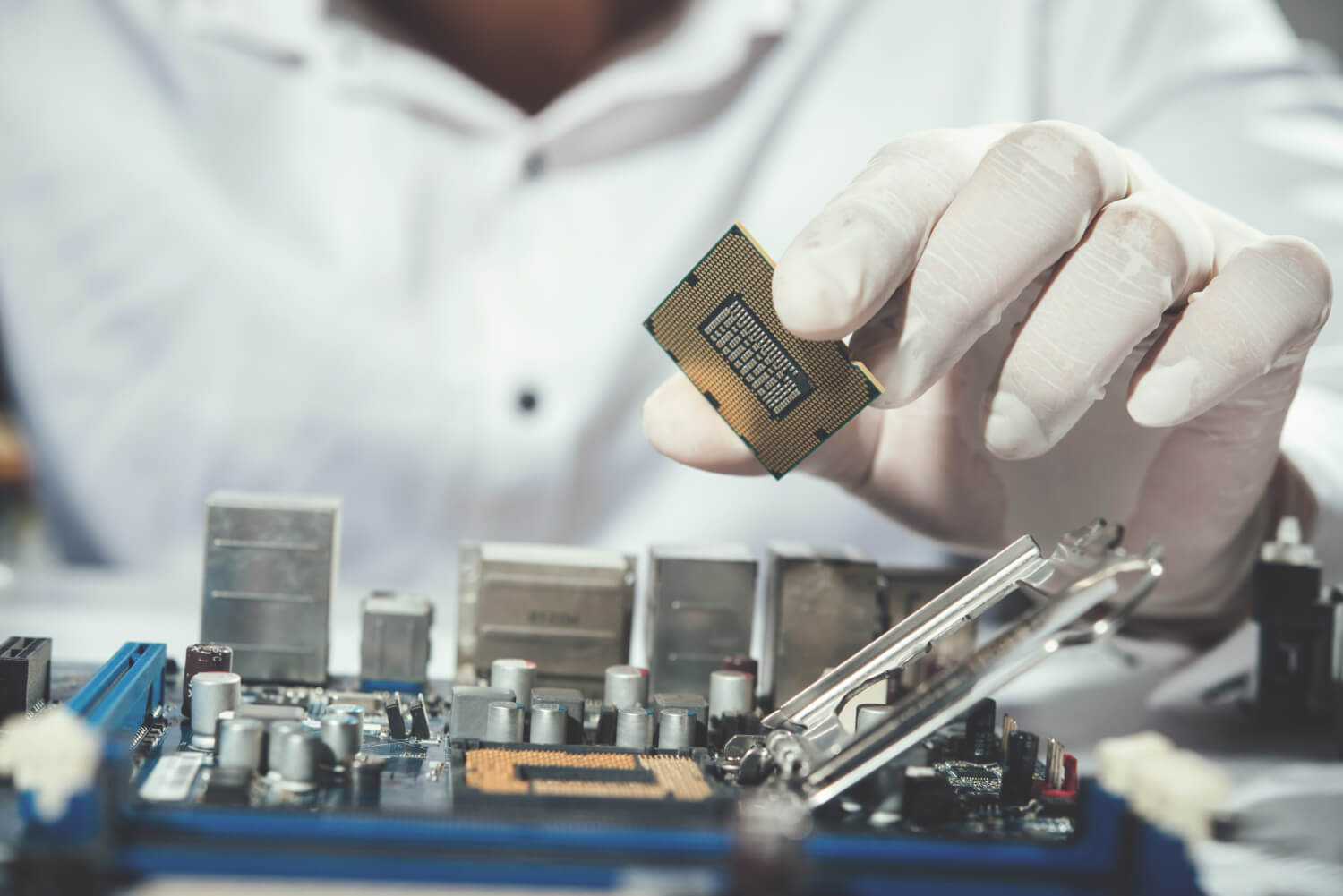
When handled by certified recyclers, old computers, servers, phones, and other electronics are dismantled, and valuable components such as copper, gold, aluminum, and plastics are recovered for reuse. This process not only reduces the demand for new raw materials but also conserves energy and lowers carbon emissions associated with manufacturing.
E-waste recycling also ensures that harmful components are processed safely, preventing toxic substances from polluting the ecosystem. For businesses, it’s a way to demonstrate corporate social responsibility while complying with environmental regulations. By choosing responsible e-waste recycling, organizations contribute to a circular economy, where resources are reused and repurposed rather than wasted. Protecting the environment is not just a choice—it’s a responsibility, and e-waste recycling is a critical step forward.